
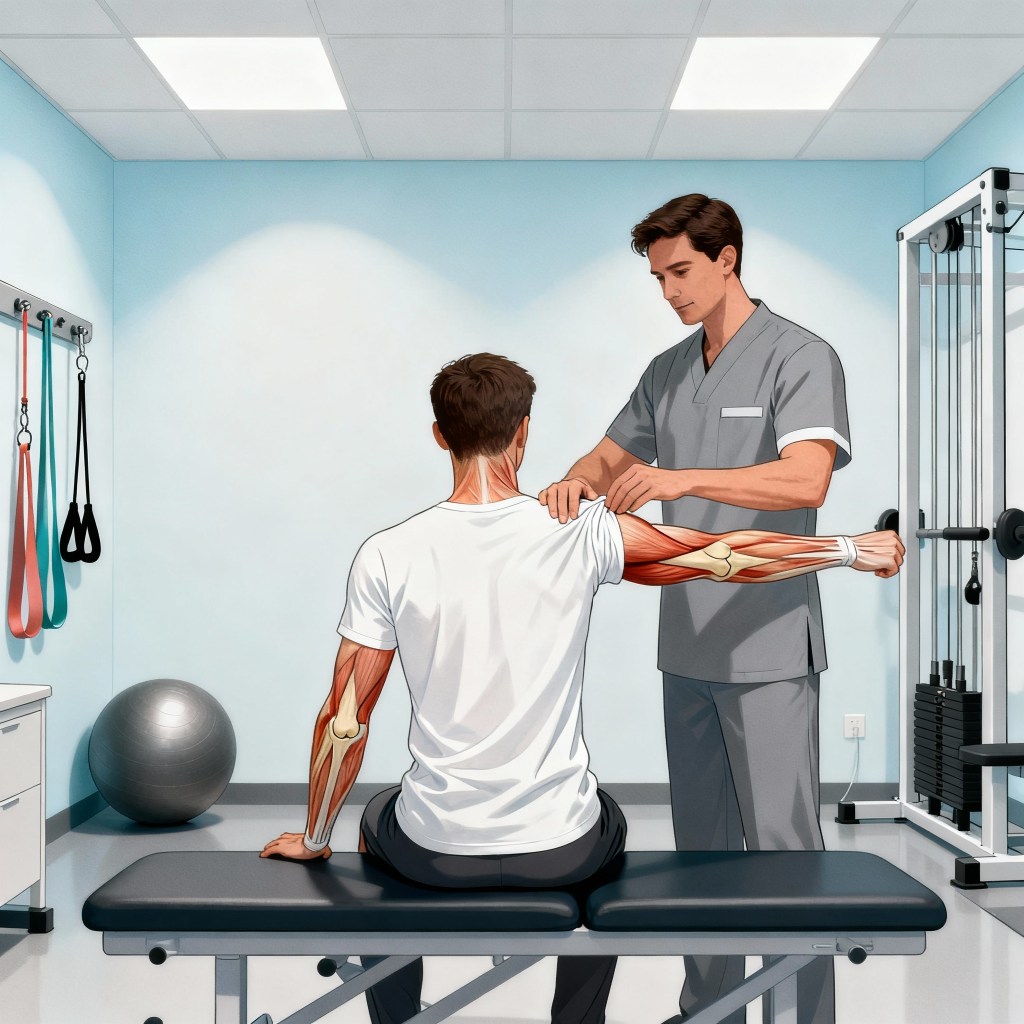
As an orthopedic physical therapist, I often encounter patients who believe that walking alone is sufficient for improving their overall fitness and muscular strength. While walking is undoubtedly beneficial for cardiovascular health and general well-being, it falls short when it comes to significantly enhancing muscular strength. Let’s delve into why walking isn’t enough and explore some effective alternatives for building lower body strength.
The Limitations of Walking for Muscle Strength
Walking is an excellent low-impact aerobic exercise that offers numerous health benefits. However, when it comes to building muscle strength, particularly in the lower body, walking has its limitations:
- Insufficient Resistance: Walking primarily engages the muscles in your lower body, including quadriceps, hamstrings, calves, and glutes[1]. However, the resistance provided by walking is generally not enough to stimulate significant muscle growth or strength gains[1].
- Lack of Progressive Overload: To build strength, muscles need to be challenged with increasing resistance over time. Walking doesn’t provide this progressive overload necessary for continuous strength improvements[2].
- Limited Muscle Activation: While walking does engage lower body muscles, it doesn’t activate them to the same degree as strength training exercises. A study from 2018 showed that combining walking with resistance training led to greater improvements in muscle size compared to walking alone[1].
The Importance of Strength Training
Strength training is crucial for building and maintaining muscle mass, especially as we age. Research has shown that regular strength training can:
- Improve muscle strength and tone
- Increase bone density
- Enhance balance and coordination
- Boost metabolism
- Reduce the risk of injuries
A scientific review by Public Health England emphasized that muscle and bone strengthening exercises are often neglected, despite their importance for overall health and well-being[9].
Effective Lower Body Exercises for Strength Building
To complement your walking routine and effectively build lower body strength, consider incorporating these exercises into your fitness regimen:
- Squats: An excellent compound exercise that targets multiple muscle groups, including quadriceps, hamstrings, and glutes[5].
- Deadlifts: Highly effective for strengthening the posterior chain, including the lower back, glutes, and hamstrings[5].
- Lunges: Great for improving balance while strengthening the quadriceps, hamstrings, and glutes[5].
- Bulgarian Split Squats: An advanced unilateral exercise that challenges balance and targets the quads, glutes, and hamstrings[4][5].
- Glute Bridges: Excellent for activating and strengthening the glutes, hamstrings, and core muscles[5].
- Calf Raises: Specifically target the calf muscles, which are important for balance and lower leg strength[7].
When performing these exercises, start with bodyweight versions and gradually progress to using weights as your strength improves. Aim for 2-3 strength training sessions per week, focusing on proper form and technique.
Combining Walking and Strength Training
While walking alone may not be sufficient for building muscle strength, it can still be an valuable part of your fitness routine. Consider the following approach:
- Maintain Your Walking Routine: Continue walking for its cardiovascular and general health benefits. Aim for the recommended 150 minutes of moderate-intensity aerobic activity per week[8].
- Add Strength Training: Incorporate 2-3 strength training sessions per week, focusing on the lower body exercises mentioned above.
- Consider Eccentric Walking: Research has shown that incorporating eccentric movements (like lunges or downhill walking) into your walking routine can lead to improvements in lower limb muscle strength and balance[6].
By combining regular walking with targeted strength training exercises, you’ll be able to enjoy the benefits of both cardiovascular exercise and muscular strength improvements. Remember to consult with a physical therapist or fitness professional before starting any new exercise program, especially if you have any pre-existing conditions or injuries.
In conclusion, while walking is an excellent form of exercise, it’s not enough on its own to significantly improve muscular strength. By incorporating targeted strength training exercises into your routine, you’ll be able to build stronger, more resilient muscles that will serve you well in your daily activities and help prevent injuries in the long run.
Citations:
[1] https://sweat.com/blogs/fitness/does-walking-build-muscle
[2] https://pmc.ncbi.nlm.nih.gov/articles/PMC6328012/
[3] https://www.frontiersin.org/journals/public-health/articles/10.3389/fpubh.2021.829367/full
[4] https://www.strengthlog.com/lower-body-exercises/
[5] https://www.onepeloton.com/blog/lower-body-strength/
[6] https://theconversation.com/only-walking-for-exercise-heres-how-to-get-the-most-out-of-it-224159
[7] https://www.arthritis.org/health-wellness/healthy-living/physical-activity/other-activities/lower-body-strength-workout
[8] https://www.usatoday.com/story/life/health-wellness/2023/05/09/does-walking-build-muscle-benefits-toning-how-often-walk/70187880007/
[9] https://www.techtimes.com/articles/231722/20180705/walking-isn-t-enough-exercise-strength-training-also-key-study.htm



 Glenn Wellmann DPT
Leave a comment