
As someone who frequently treats overhead athletes, I’m excited to share insights from a recent systematic review and meta-analysis exploring the relationship between shoulder pain and pain in other areas of the body among overhead athletes. This study, published in the International Journal of Sports Physical Therapy, offers valuable information for clinicians working with athletes in sports like baseball, volleyball, and tennis.
Key Findings
The review analyzed seven studies involving 5,785 overhead athletes aged 7-28 years. The meta-analysis revealed significant associations between shoulder pain and pain in other body regions:
- Low back pain: Athletes with shoulder pain were 5.51 times more likely to experience low back pain
- Hip pain: 4.32 times more likely
- Knee pain: 3.03 times more likely
- Ankle/foot pain: 2.84 times more likely
These findings highlight the interconnected nature of pain and dysfunction throughout the kinetic chain in overhead athletes.
Limitations
While the results are intriguing, it’s important to note some limitations:
- Most studies involved younger athletes, potentially underestimating the effects in older populations
- Pain definitions varied between studies
- Self-reported questionnaires were used, introducing potential recall bias
- The cross-sectional nature of most studies limits conclusions about causality
Clinical Applications
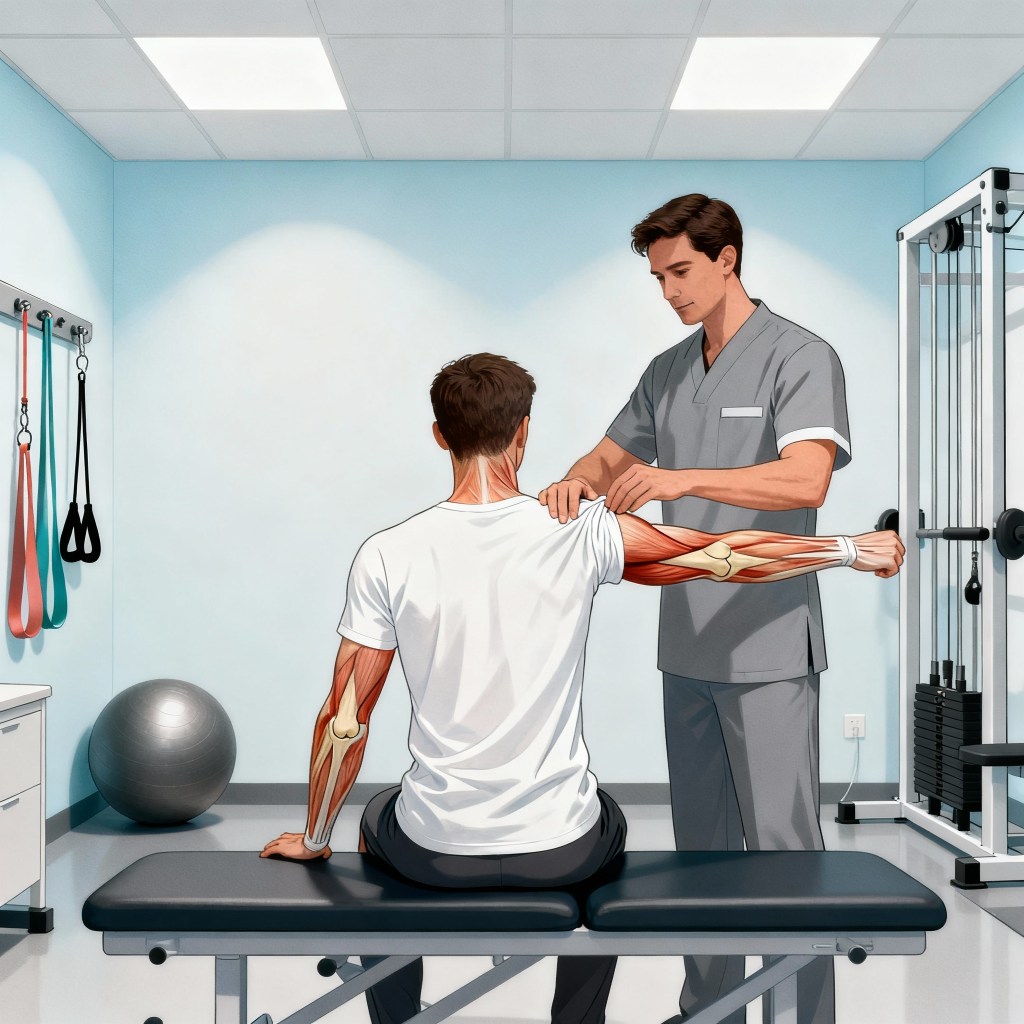
As physical therapists, these findings reinforce the importance of:
- Comprehensive assessments: When evaluating overhead athletes with shoulder pain, we should screen for dysfunction throughout the entire kinetic chain.
- Holistic treatment approaches: Rehabilitation programs should address not only the shoulder but also core stability, lower extremity strength, and overall movement patterns.
- Injury prevention: Implementing strategies to maintain strength, flexibility, and proper mechanics throughout the kinetic chain may help reduce the risk of shoulder injuries.
- Early intervention: Recognizing that pain in one area may increase the risk of pain elsewhere, we should encourage athletes to address minor aches and pains promptly.
- Functional testing: Incorporating tests like the Closed Kinetic Chain Upper Extremity Stability Test (CKCUEST) and the Upper Limb Rotation Test (ULRT) can provide valuable insights into overall upper body function.
This study reinforces the concept that the human body functions as an interconnected system. As physical therapists, we must consider the entire kinetic chain when treating overhead athletes to optimize their performance and reduce injury risk.
For those interested in diving deeper into the research, you can find the full article here: https://ijspt.scholasticahq.com/article/125882-relationship-between-shoulder-pain-trunk-and-lower-limb-pain-in-overhead-athletes-a-systematic-review-with-meta-analysis [1]



 Glenn Wellmann DPT
Leave a comment