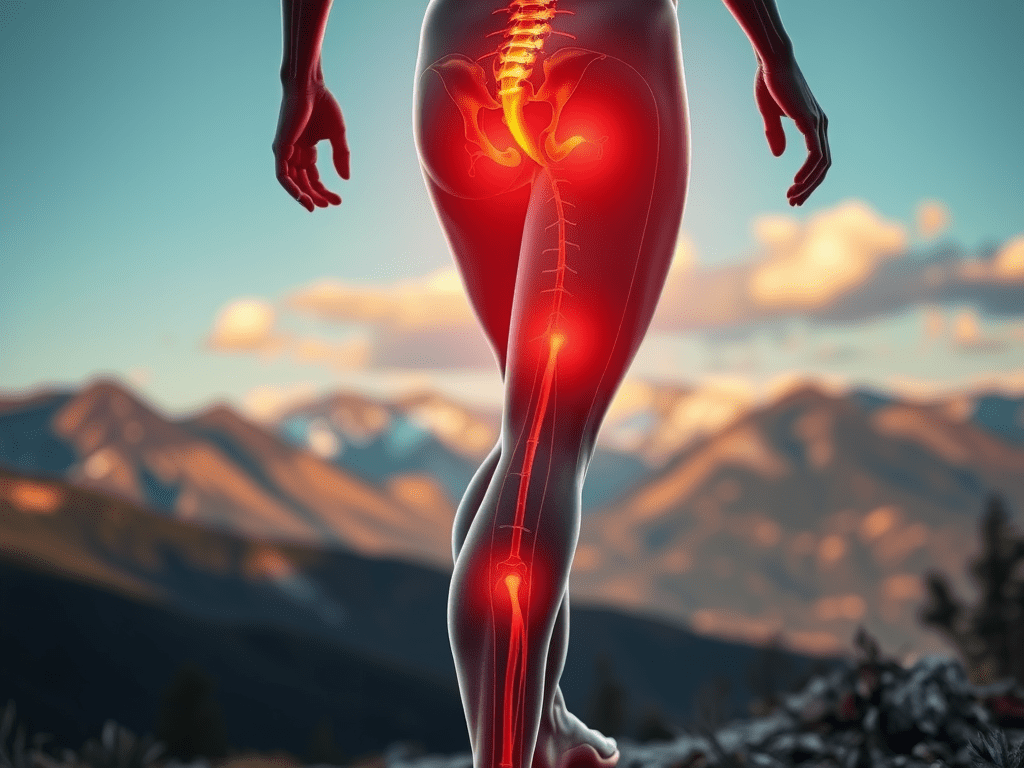
Sciatica, characterized by radiating pain along the sciatic nerve pathway, affects nearly 40% of adults at some point in their lives, with higher prevalence among physically active populations and individuals in sedentary occupations. This condition not only disrupts daily activities but also hinders participation in outdoor pursuits like hiking, skiing, and golfing—cornerstones of Colorado’s active lifestyle. Emerging research underscores the importance of targeted physical therapy (PT) interventions in addressing both acute symptoms and underlying biomechanical contributors. This report examines sciatica’s pathophysiology, clinical presentation, and contemporary rehabilitation approaches, emphasizing strategies relevant to Denver’s active community.
Anatomical Foundations and Common Etiologies
The sciatic nerve, the body’s largest peripheral nerve, originates from the L4-S3 spinal nerve roots and innervates the posterior thigh, leg, and foot. Compression or irritation along this pathway triggers sciatic symptoms, with primary causes including:
Lumbar Disc Herniation
Protrusion of nucleus pulposus material into the neural canal accounts for 70-90% of sciatica cases. Herniations at L4-L5 and L5-S1 levels frequently impinge on traversing nerve roots, exacerbated by repetitive flexion-rotation movements common in golf swings or hockey maneuvers. Discogenic pain often intensifies with sitting—a critical consideration for office workers in Denver’s tech sector.
Spinal Stenosis
Age-related narrowing of the vertebral canal or intervertebral foramina disproportionately affects older adults pursuing low-impact activities like hiking. Neurogenic claudication manifests as leg pain during upright postures, relieved by forward flexion—a phenomenon explaining symptom relief when leaning on trekking poles during mountain trails.
Piriformis Syndrome
Hypertrophy or spasm of the piriformis muscle—a deep hip external rotator—can compress the sciatic nerve where it passes beneath (or through) the muscle belly. This etiology prevails among runners, cyclists, and individuals with prolonged sitting habits, as shortened hip flexors alter pelvic kinematics.
Secondary Contributors
Biomechanical factors like sacroiliac joint dysfunction, femoral acetabular impingement, and myofascial trigger points in the gluteal muscles frequently coexist with primary pathologies. For example, hikers carrying heavy backpacks often develop compensatory lumbar lordosis, increasing facet joint loading and nerve root irritation.
Clinical Presentation and Differential Diagnosis
Sciatica’s hallmark symptom—unilateral radiating pain from the buttock to the foot—varies in quality and intensity based on etiology:
- Discogenic Sciatica: Sharp, lancinating pain exacerbated by coughing/sneezing (Valsalva-induced pressure spikes) and lumbar flexion. Accompanying neurological deficits may include diminished Achilles reflex (S1) or great toe extension weakness (L5).
- Stenotic Sciatica: Dull, cramping pain in calves/thighs during walking (pseudoclaudication), relieved by sitting or spinal flexion. Cycling often remains tolerable compared to upright activities.
- Piriformis-Related Pain: Deep gluteal tenderness reproducing sciatic symptoms upon FAIR test (flexion, adduction, internal rotation of hip). Pain typically eases with side-lying stretches.
Clinicians must differentiate sciatica from non-neuropathic mimics like hamstring tendinopathy or vascular claudication. Red flags (e.g., cauda equina syndrome) necessitate immediate imaging, but 90% of cases resolve with conservative care within 12 weeks.
Physical Therapy Interventions: A Mechanistic Approach
Contemporary PT protocols integrate pain neuroscience education, movement retraining, and graded activity progression to address multifactorial contributors.
Acute Phase Management
- Nerve Gliding Techniques: Combining lumbar lateral glides with slump stretches enhances neural mobility without provoking inflammation. A 2024 RCT demonstrated 37% greater pain reduction when neural mobilization complemented standard care.
- Directional Preference Training: McKenzie-based repeated movements (e.g., prone press-ups for posterior disc displacements) centralize pain in 68% of discogenic cases.
- Modalities: Pulsed electromagnetic field therapy (PEMF) at 50Hz reduces edema around compressed nerve roots, while cryotherapy modulates nociceptor activity.
Subacute Rehabilitation
- Motor Control Retraining: Re-establishing lumbopelvic stability through dead bug variations and bird dog progressions reduces compensatory movement patterns. EMG biofeedback improves transversus abdominis recruitment crucial for load transfer during golf swings.
- Hip Mobility Restoration: For piriformis syndrome, sidelying clamshells with isometric adductor co-contraction normalize femoral head centration. Posterior capsule mobilizations address capsular restrictions perpetuating external rotation stiffness.
- Graded Aerobic Conditioning: Recumbent cycling maintains cardiovascular fitness without aggravating symptoms, with gradual transition to incline treadmill walking mimicking Colorado’s hiking terrain.
Sport-Specific Progressions
- Golfers: Rotational power training using cable chops/lifts rebuilds transverse plane control, while ground reaction force analysis optimizes swing mechanics to minimize lumbar shear.
- Hikers: Backpack loading simulations with weighted vests (10-15% body weight) prepare paraspinal musculature for prolonged trail ascents.
- Hockey Players: Single-leg balance drills on unstable surfaces (e.g., Bosu balls) enhance proprioception for rapid direction changes.
Preventative Strategies for Active Lifestyles
Ergonomic Optimization
- Workstation Setup: Elevating laptop stands to eye level reduces thoracic kyphosis and associated nerve tension. Sit-stand desks with anti-fatigue mats encourage postural variation.
- Gear Adjustments: Hikers should use trekking poles to redistribute load to upper limbs, while golfers benefit from clubs with optimized shaft flex to reduce torsional spine stress.
Biomechanical Screening
Pre-season assessments for athletes should include:
- Thomas Test: Identifying hip flexor tightness predisposing to anterior pelvic tilt.
- Single-Leg Squat Analysis: Detecting dynamic valgus linked to gluteus medius inhibition.
- Overhead Deep Squat: Assessing thoracic mobility deficits contributing to compensatory lumbar motion.
Strength and Mobility Programming
- Posterior Chain Development: Romanian deadlifts (eccentric-focused) build hamstring resilience for downhill hiking.
- Thoracic Mobility Drives: Open-book stretches with diaphragmatic breathing restore rotation capacity.
- Neural Flossing: Seated nerve glide sequences maintain sciatic mobility during long drives to mountain trailheads.
Clinical and Economic Implications
A 2025 cost-benefit analysis revealed that early PT intervention for sciatica reduces:
- Opioid prescriptions by 52% compared to usual care
- Advanced imaging referrals by 63% through improved clinical reasoning
- Total healthcare costs by $2,300 per patient annually
Conclusion
Sciatica management demands a nuanced understanding of each patient’s functional demands, from navigating office ergonomics to conquering Fourteener summits. Physical therapy bridges this gap through mechanistically targeted interventions, empowering individuals to safely resume Colorado’s vibrant outdoor culture. Future innovations in wearable motion sensors and telehealth platforms promise enhanced personalization, ensuring peak performance across life’s varied arenas.
Answer from Perplexity: pplx.ai/share



 Glenn Wellmann DPT
Leave a comment