Disclaimer:
The information provided in this blog post is for educational purposes only and should not be considered medical advice. While joint noises are often harmless, individual experiences may vary. Always consult with a qualified healthcare professional, such as a physical therapist or orthopedic specialist, for personalized advice regarding your specific joint health concerns or before making any changes to your exercise routine. If you experience persistent pain, swelling, or reduced range of motion along with joint noises, seek medical attention promptly.
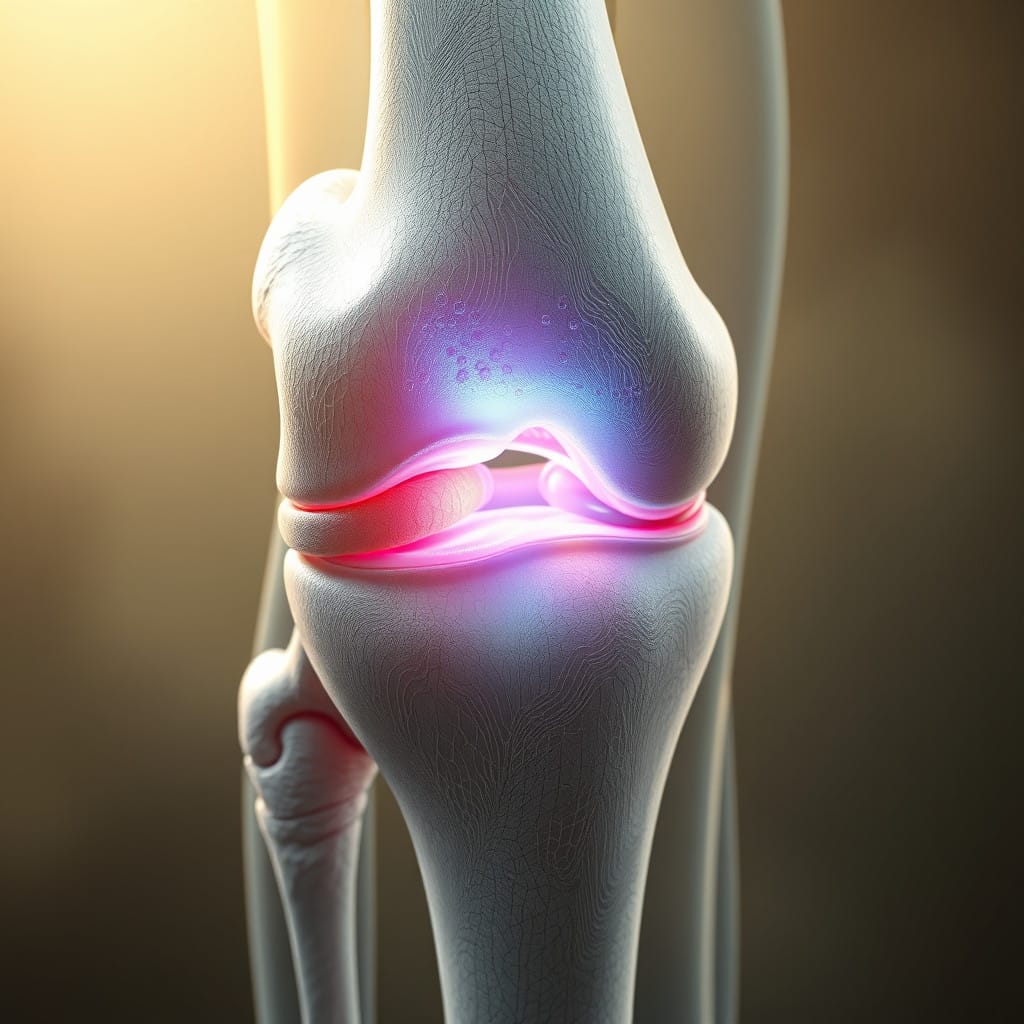
I often encounter patients who are concerned about the various noises their joints make. Let’s dive into the world of joint sounds and explore what causes cavitations, crepitus, and other joint noises like clicking and popping.
Understanding Joint Noises
Joint noises are common and can occur in various parts of the body, including the knees, shoulders, and spine. While these sounds can be alarming, they’re often harmless and don’t necessarily indicate a serious problem.
Cavitations
Cavitations are the popping or cracking sounds you might hear when you crack your knuckles or when a chiropractor adjusts your spine. These sounds occur due to:
- Gas bubble formation: When a joint is stretched or manipulated, it creates negative pressure within the joint capsule, causing dissolved gases in the synovial fluid to form bubbles[6].
- Bubble collapse: The sudden collapse of these bubbles produces the characteristic popping sound[6].
Crepitus
Crepitus refers to the grinding, creaking, or grating sensation or sound that occurs with joint movement. It’s particularly common in the knees and can have various causes:
- Normal physiological noise: In many cases, crepitus is simply a normal sound produced by the movement of joints and doesn’t indicate any underlying problem[2].
- Cartilage irregularities: As we age or due to wear and tear, the cartilage in our joints may develop rough spots, leading to crepitus during movement[2].
- Air bubbles: Similar to cavitations, the formation and bursting of air bubbles in the synovial fluid can cause crepitus[2].
Clicking and Popping
Clicking and popping sounds in joints can have several causes:
- Ligament or tendon movement: These soft tissues may snap over bony prominences during joint movement, producing a clicking sound[2].
- Meniscus tears: In the knee, a torn meniscus can cause clicking or popping sounds[2].
- Loose bodies: Small fragments of cartilage or bone floating in the joint space can cause clicking or popping when they interfere with joint movement[2].
Should You Be Concerned?
In most cases, joint noises are not a cause for alarm. However, there are situations where these sounds may indicate an underlying issue:
- Pain: If the joint noise is accompanied by pain, swelling, or reduced range of motion, it’s best to consult a healthcare professional[4].
- Recent injury: If you’ve recently injured a joint and notice new or increased noises, it’s worth getting checked out[4].
- Functional limitations: If joint noises are affecting your ability to perform daily activities or exercise, seek medical advice[4].
Exercise and Joint Health
Many patients wonder if they should modify their exercise routines due to joint noises. Here’s what you should know:
- Continue exercising: In most cases, it’s safe and beneficial to continue exercising, even if you experience joint noises[4].
- Modify as needed: If certain movements cause discomfort, modify your exercises or consult a physical therapist for alternative techniques[4].
- Strengthen surrounding muscles: Strengthening the muscles around noisy joints can help improve joint stability and potentially reduce noise[4].
Conclusion
While joint noises can be disconcerting, they’re often harmless and part of normal joint function. However, if you’re concerned about persistent or painful joint noises, don’t hesitate to consult a physical therapist or orthopedic specialist. We can assess your joint health, provide personalized advice, and develop an appropriate treatment plan if necessary.
Remember, staying active and maintaining a healthy lifestyle are key factors in promoting overall joint health and reducing the risk of developing more serious joint conditions in the future.
Citations:
[1] https://www.ncbi.nlm.nih.gov/pmc/articles/PMC4446569/
[2] https://www.ncbi.nlm.nih.gov/pmc/articles/PMC5851845/
[3] https://www.ncbi.nlm.nih.gov/pmc/articles/PMC9961303/
[4] https://pubmed.ncbi.nlm.nih.gov/37341878/
[5] https://www.semanticscholar.org/paper/651524c3acfc56273322a2768c86f4d75c6763fb
[6] https://www.ncbi.nlm.nih.gov/pmc/articles/PMC10015914/
[7] https://www.semanticscholar.org/paper/e7554e37ce12b843347db2ce368439fb2c0291fb
[8] https://www.semanticscholar.org/paper/8841434d8ee2a33d077252dfae87a9e2cd161a2c
[9] https://arxiv.org/abs/2105.08060




Leave a Reply