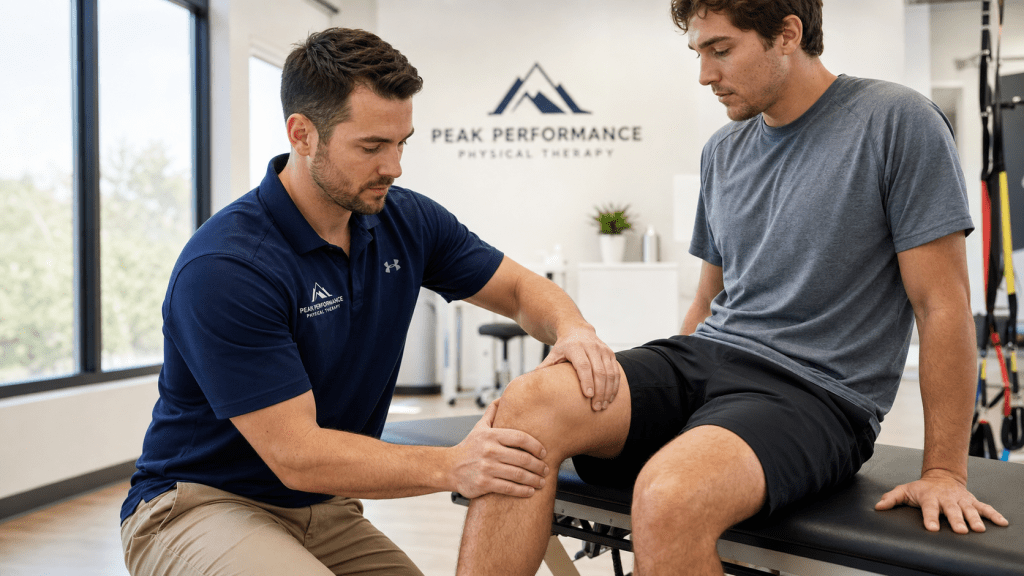
You had ACL surgery. Rehab went well. Your surgeon cleared you at six months. But something still doesn’t feel right — and you’re not sure if that’s in your head or in your knee.
You’re not alone. This is one of the most common concerns we hear at CACC Physical Therapy, and it’s exactly the question that cutting-edge research is now helping us answer with more precision than ever before. The short version: returning to sport safely after ACL reconstruction is far more nuanced than hitting a calendar date. Here’s what the latest evidence tells us.
Timing Matters More Than You Think
For years, the standard conversation was: “six months post-op and you’re good to go.” Recent research has turned that timeline on its head in a meaningful way.
A large body of evidence, including work highlighted in the AOSSM’s 2025 Return to Play consensus update, shows that athletes who return to pivoting and cutting sports before nine months post-surgery may face up to a sevenfold increased risk of re-tearing their ACL. Perhaps even more striking: each additional month of rehabilitation up to that nine-month mark reduces reinjury risk by roughly 50%.sportsmed
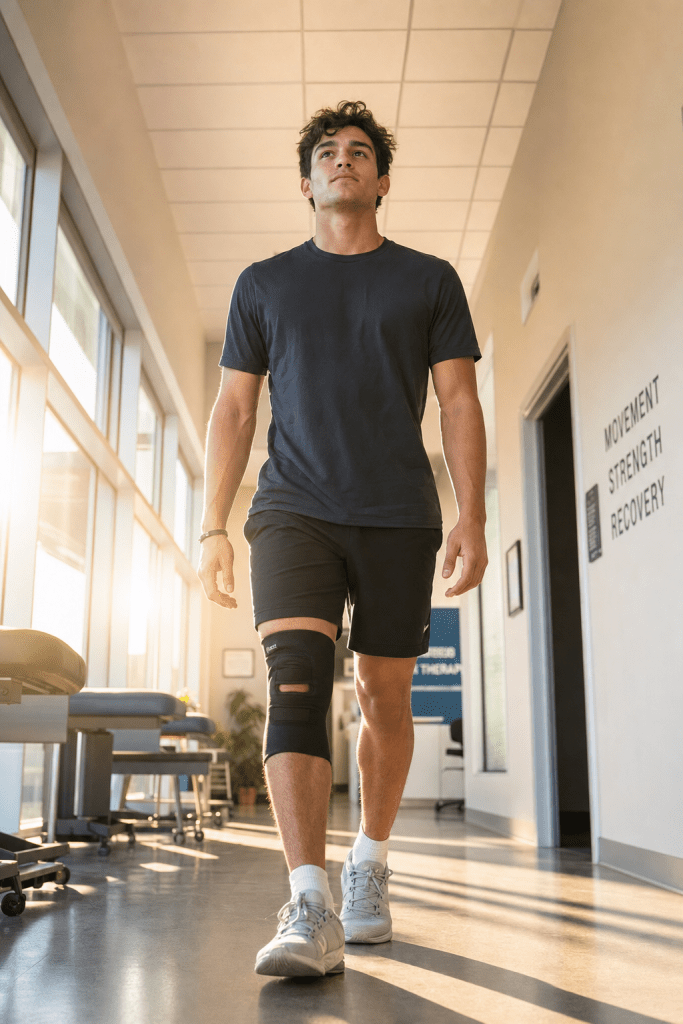
The takeaway for patients is simple but powerful: the graft is still biologically maturing long after the pain is gone and the swelling has resolved. Patience isn’t passive — it’s protective.
Strength Symmetry Is the Most Important Number You’ve Never Heard Of
One of the clearest predictors of safe return to sport is quadriceps strength symmetry — essentially, how close your surgical leg is to matching the strength of your healthy leg. Current evidence, reviewed in depth in a 2025 publication in Current Reviews in Musculoskeletal Medicine, supports a threshold of at least 90% limb symmetry index (LSI) before clearing athletes for full sport participation.pmc.ncbi.nlm.nih
A particularly compelling finding: every 1% improvement in LSI is associated with a 3% reduction in reinjury risk. That means the difference between 85% and 90% symmetry isn’t just a number on a sheet — it could meaningfully change the trajectory of your recovery.
In our clinic, this is why we don’t guess. We test. Strength assessment, hop testing, and movement quality screens are standard parts of our return-to-sport protocol, not optional add-ons.
The Mental Side Is Just as Real as the Physical Side
Here is the finding that surprises patients most: psychological readiness is an independent predictor of whether someone actually returns to sport — and at what level. Research consistently shows that only 55–79% of patients return to their pre-injury level of activity after ACL reconstruction, and fear of reinjury is one of the most significant barriers holding people back.
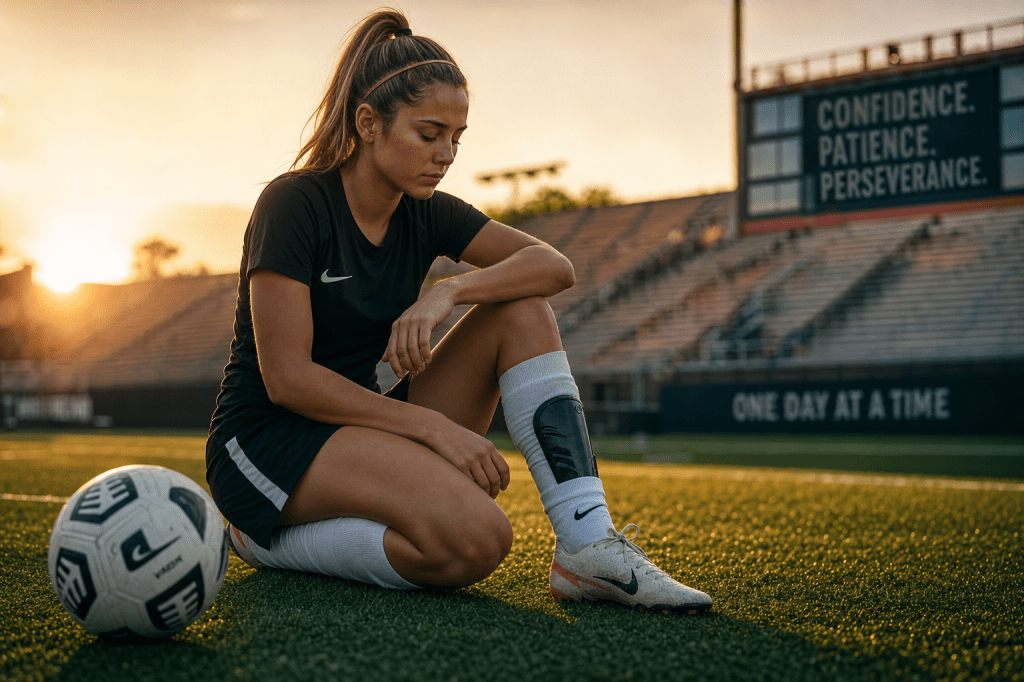
A validated tool called the ACL-RSI scale (ACL Return to Sport after Injury) measures emotional readiness, confidence, and risk perception. Athletes who score higher on this scale are significantly more likely to return to sport successfully. Conversely, patients who feel physically ready but psychologically unprepared are at higher risk of performing cautiously — which, paradoxically, can increase injury risk through altered movement patterns.pmc.ncbi.nlm.nih
This is why our approach at CACC includes conversations about confidence and fear, not just strength numbers. Sometimes the most important rep you do in rehab is a graded exposure drill that teaches your nervous system to trust your knee again.
Why This Changes How We Practice
The research is collectively pointing toward a single paradigm shift: criteria-based discharge over time-based discharge. Meeting a checklist — nine months, 90% quad symmetry, passing hop test scores, and a confident ACL-RSI — is far more predictive of a safe return than any calendar date alone.
For primary care physicians and referring providers, this means the “six months and cleared” conversation deserves a second look. Partnering with a physical therapist who uses objective testing and validated outcome measures before sport clearance is one of the most evidence-based things you can do for your ACL patients.
For patients, it means your effort in rehab genuinely matters — and so does how you feel mentally, not just physically.
If you or someone you know is navigating ACL recovery and wants a data-driven, individualized approach to return-to-sport clearance, I’d love to help. At CACC Physical Therapy in Parker, Colorado, my team and I use the latest evidence to get athletes back on the field, court, or ice — safely and confidently. Schedule a consultation today or reach out to us directly to learn more about our ACL return-to-sport program.


Leave a Reply