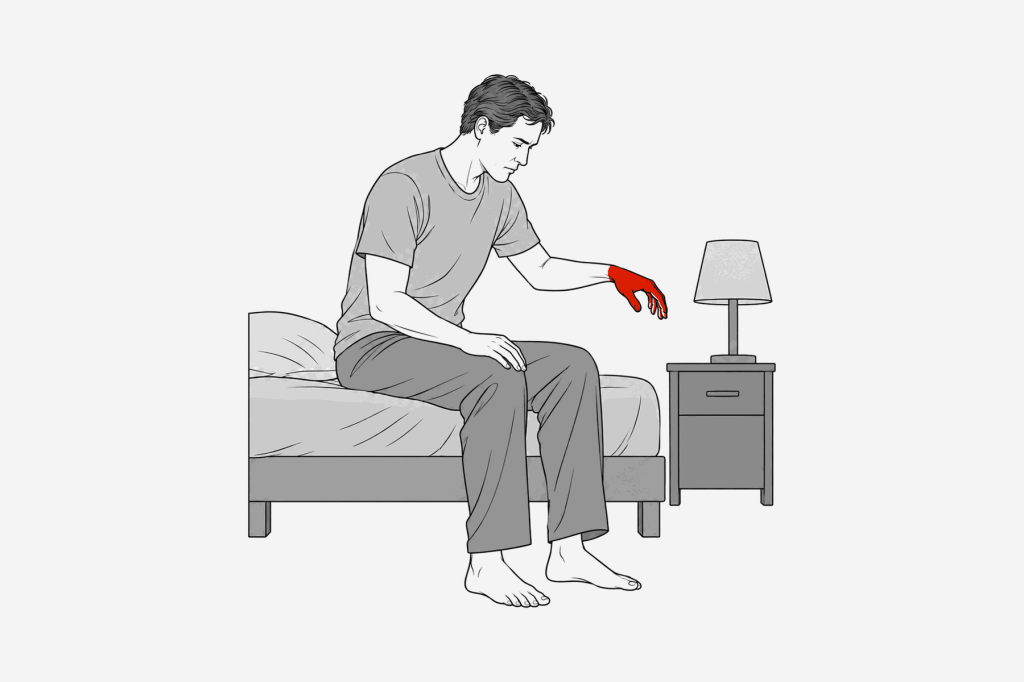
It usually starts at two in the morning. You wake up with a hand that feels dead or buzzing, and you shake it out over the side of the bed until it comes back. That nighttime pattern is the most recognizable feature of carpal tunnel syndrome, and it is one of the more fixable things I see in the clinic.
Carpal tunnel syndrome is compression of the median nerve where it passes under a tight band of tissue at the front of your wrist. The classic symptoms are numbness, tingling or burning in the thumb, index, middle and half of the ring finger, worse at night, worse when you hold a phone or a steering wheel, and better after you shake the hand out. Your little finger is usually spared, because a different nerve supplies it. If the whole hand goes numb including the pinky, or symptoms travel past your elbow, something else is likely in play.
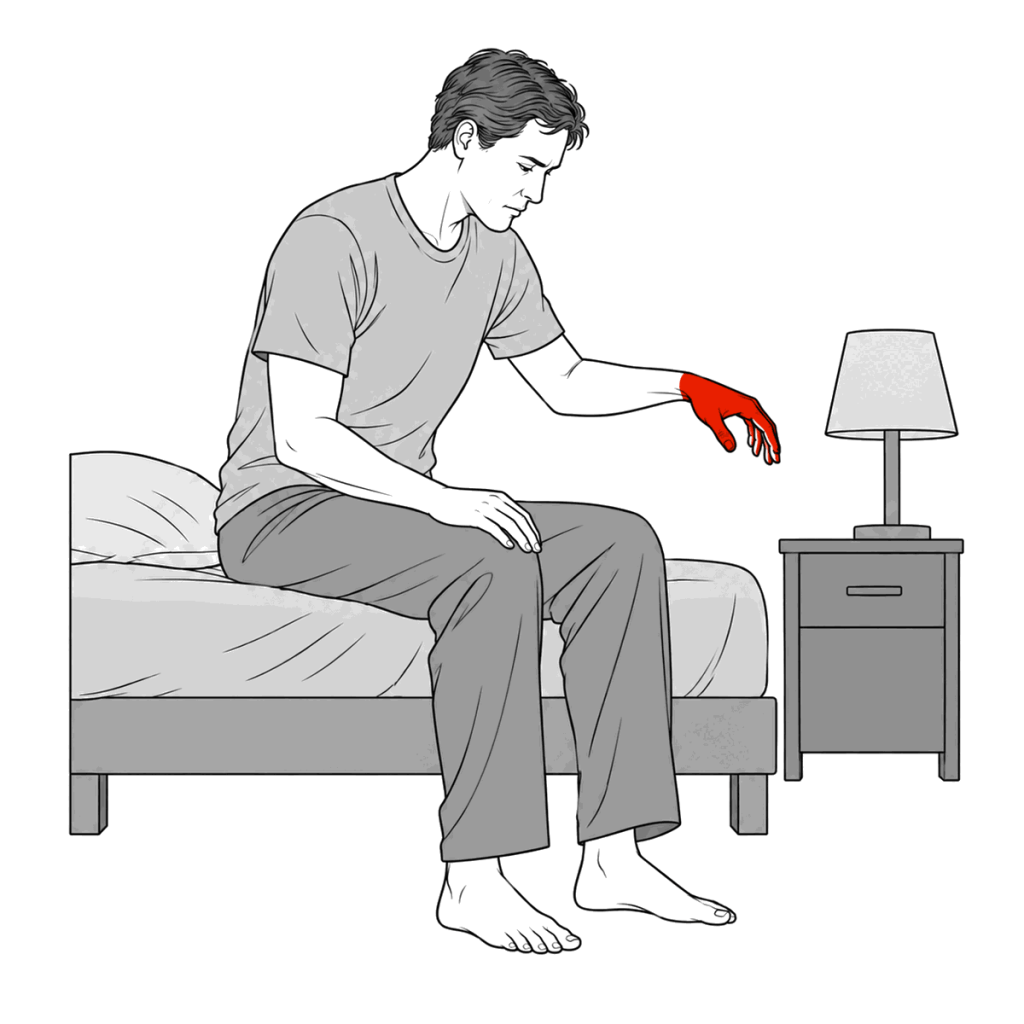
Why it happens
The carpal tunnel is a small passage on the palm side of your wrist. Nine tendons and one nerve share it, and the roof is a stiff ligament that does not stretch. Anything that raises pressure inside that space squeezes the nerve first, because nerves are the least tolerant tissue in there.
Pressure goes up when the wrist is bent hard in either direction, which is why sleeping with a curled wrist is such a reliable trigger. It also goes up with sustained gripping, forceful pinching and vibration exposure. Fluid retention plays a role too, which is part of why carpal tunnel is common in pregnancy and can flare with thyroid disease or diabetes. Notice what is not on that list: gentle keyboard typing is a much weaker driver than most people assume.
A compressed nerve misbehaves intermittently, then constantly, and eventually starts losing fibers. That progression is why I care a lot about how long you have had constant symptoms, and much less about how dramatic they feel at night.
What the evidence actually says
First, conservative treatment works for a real share of people. In the 2024 Cochrane review of surgical versus non-surgical treatment, Lusa et al., Cochrane Database of Systematic Reviews, 2024;1:CD001552, 60% of people treated with a night splint were rated as clinically improved at 6 to 12 months, compared with 93% after surgery. Surgery clearly won that comparison, but the gap on symptom and function questionnaires was smaller than what patients usually notice. I unpack those numbers properly in the Research Bites breakdown of surgery versus splints and injections.
Second, teaching changes outcomes. In a multicentre Australian trial of 105 people already waitlisted for a surgical consultation, Lewis et al., Journal of Physiotherapy, 2020, a single group session covering education, night splinting, and nerve and tendon gliding exercises cut conversion to surgery from 80% to 59% by 24 weeks (risk difference 0.21, 95% CI 0.03 to 0.38). One session. No serious adverse effects.
Nerve gliding has decent support in mild-to-moderate cases. A 2023 review of 12 randomized trials and 1,003 participants, Zaheer and Ahmed, Journal of Clinical Medicine, 2023;12(15):4888, found neurodynamic techniques improved Boston questionnaire symptom scores by 1.20 points (95% CI 0.67 to 1.72) and function by 1.06 points (95% CI 0.60 to 1.53) versus sham or control. Encouraging, though the trials were small and most comparison groups got nothing at all.
On injections, the current AAOS and ASSH clinical practice guideline summary, 2025 notes that corticosteroid and platelet-rich plasma injections lack long-term benefit. Useful for a flare, not a strategy.
What to do about it, in order
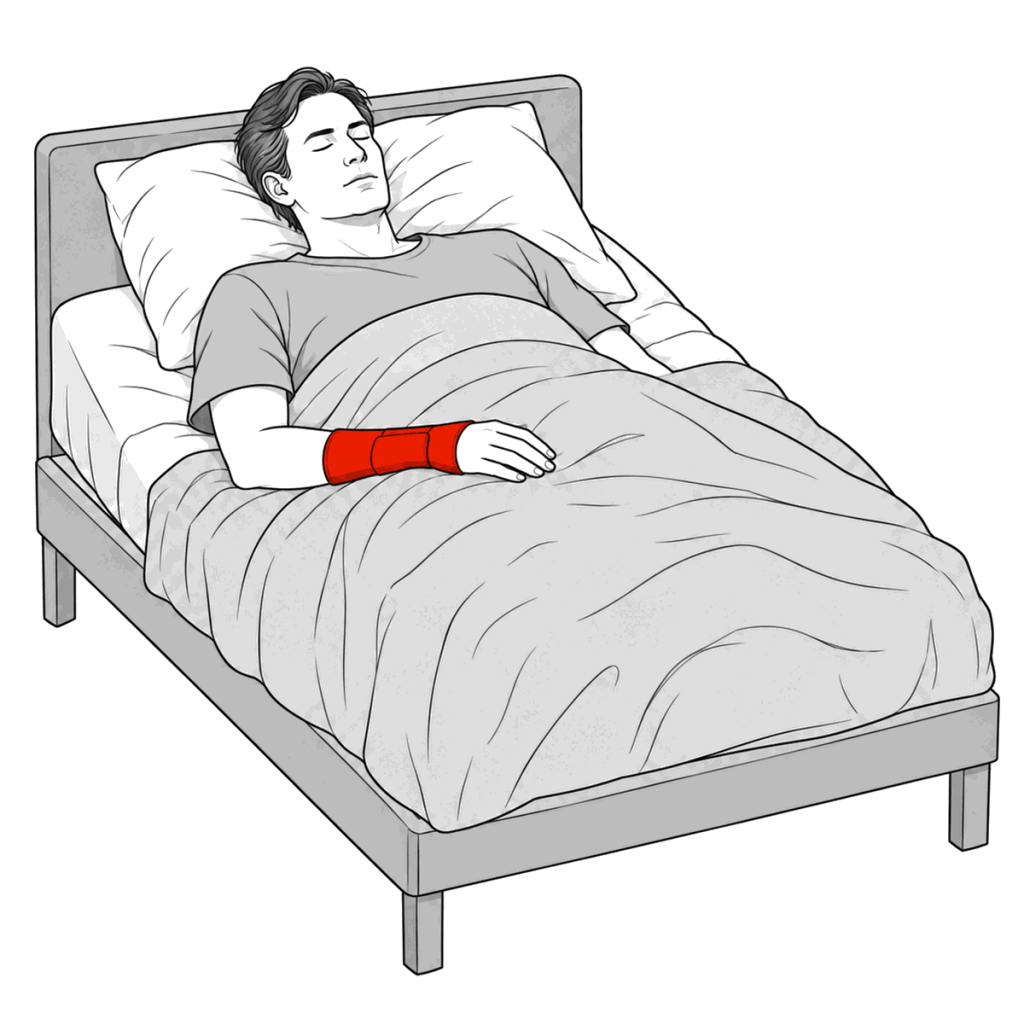
- Wear a neutral wrist splint at night for at least six weeks. Highest-yield item on the list. “Neutral” means the wrist is straight, not bent back. Most off-the-shelf splints hold too much extension, so bend the metal stay flatter or ask to have it adjusted. If you wake up and it has come off, wear it looser rather than skipping it. Six weeks is the minimum honest trial.
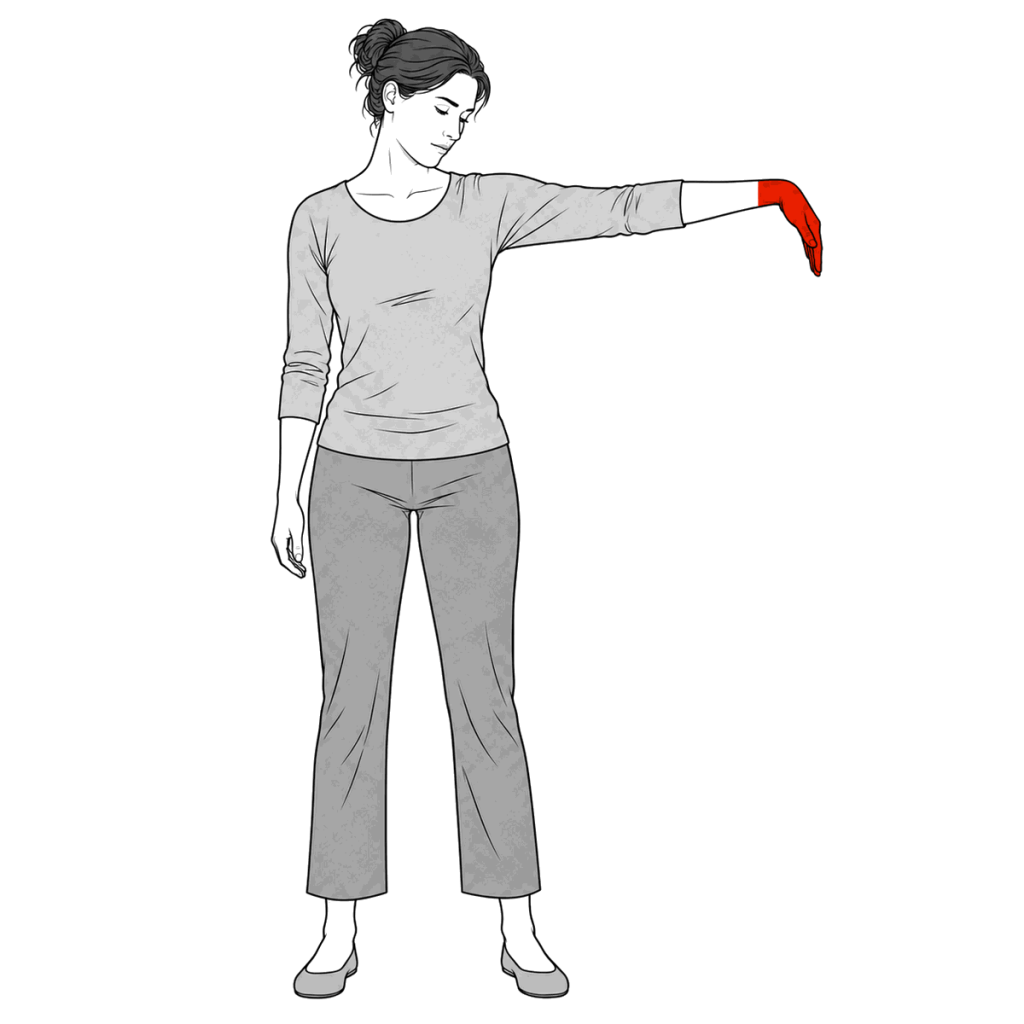
- Median nerve glides, 10 slow reps, 3 to 4 times a day. Arm out to the side at shoulder height, palm up, elbow straight, wrist gently extended so the fingers point behind you. Tilt your head toward the arm while you let the wrist relax, then tilt your head away while you extend the wrist again. Two to three seconds each direction. Form cue: a mild pulling or tingling that appears and disappears within seconds, not a symptom you sit with. If tingling lingers after you stop, halve the range.
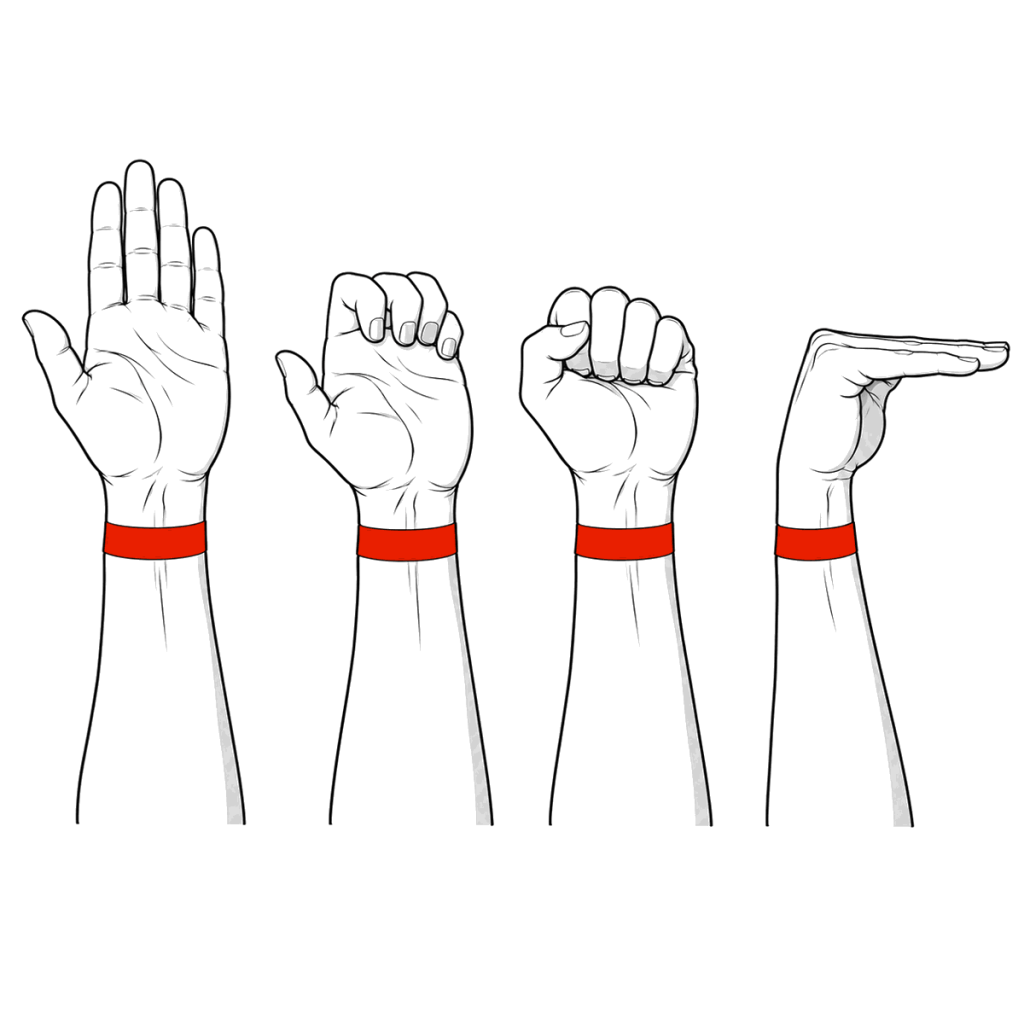
- Tendon glides, 10 reps, 3 times a day. Fingers straight, then a hook fist (bend only the top two knuckles), then a full fist, then a tabletop with knuckles bent and fingers straight. Hold each two seconds. This keeps the nine tendons in the tunnel gliding independently.
- Break up sustained grip and vibration. If your work or hobby involves holding a tool, a bike bar or a mouse in one position, release your grip completely every 20 minutes. Ten seconds of open hand is enough. Fatten thin handles with tape or foam so you need less pinch force.
- Fix the two positions that spike pressure. At a desk, get your forearms roughly level with the keyboard so your wrists are not cocked back, and stop resting the heel of your hand on a hard edge. In bed, avoid sleeping curled with your hands tucked under your chin.
- Measure, then decide. Score your worst night 0 to 10 and note how many nights a week you wake up. Re-check at six weeks. Improving means keep going. Flat or worse means it is time for a proper exam and probably nerve testing, not another six weeks of the same thing.
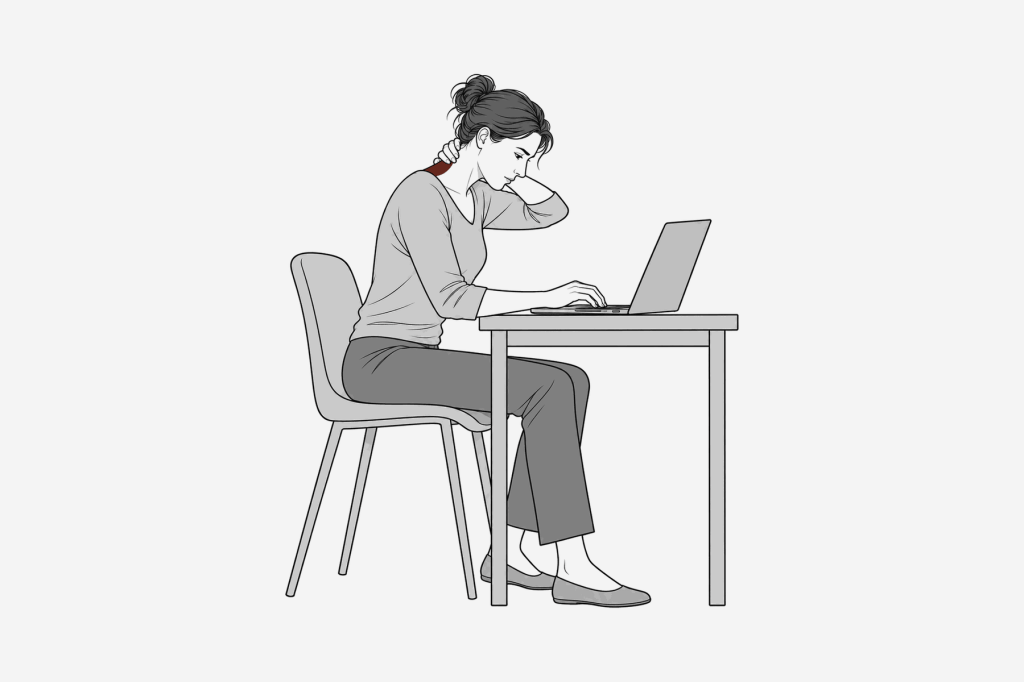
If your symptoms run in a line from your neck or low back down a limb instead, that is nerve irritation from a different location and needs a different plan. My guide to sciatica and referred nerve pain covers how that presentation differs.
Red flags: when to get this looked at in person
These move you from self-management to an in-person exam, and in some cases straight to a surgical opinion.
- Constant numbness. If it no longer comes and goes, and shaking the hand out does not restore normal sensation, the nerve has moved past the irritable stage. Stop waiting.
- Visible thenar muscle wasting. Look at the fleshy pad at the base of your thumb in a mirror and compare it side to side. If one is visibly flatter or hollowed, you are losing muscle the median nerve supplies. This is the single most urgent sign on the list, because that loss is not reliably reversible.
- Weakness, not just clumsiness. Dropping mugs, struggling to turn a key, losing pinch strength on a jar lid. Test it: pinch a piece of paper between thumb and index fingertip, have someone pull it out, compare hands.
- Symptoms in all five fingers, or above the wrist. True carpal tunnel spares the little finger and stays in the hand. A wider pattern points toward the neck, the elbow, or a systemic cause.
- Sudden onset after trauma, or rapidly worsening pain and swelling. That needs same-day medical assessment, not a home program.
- No change after a genuine six-week trial of nightly splinting and daily glides. Not an emergency, but a clear signal to escalate.
Want a plan built for your hand?
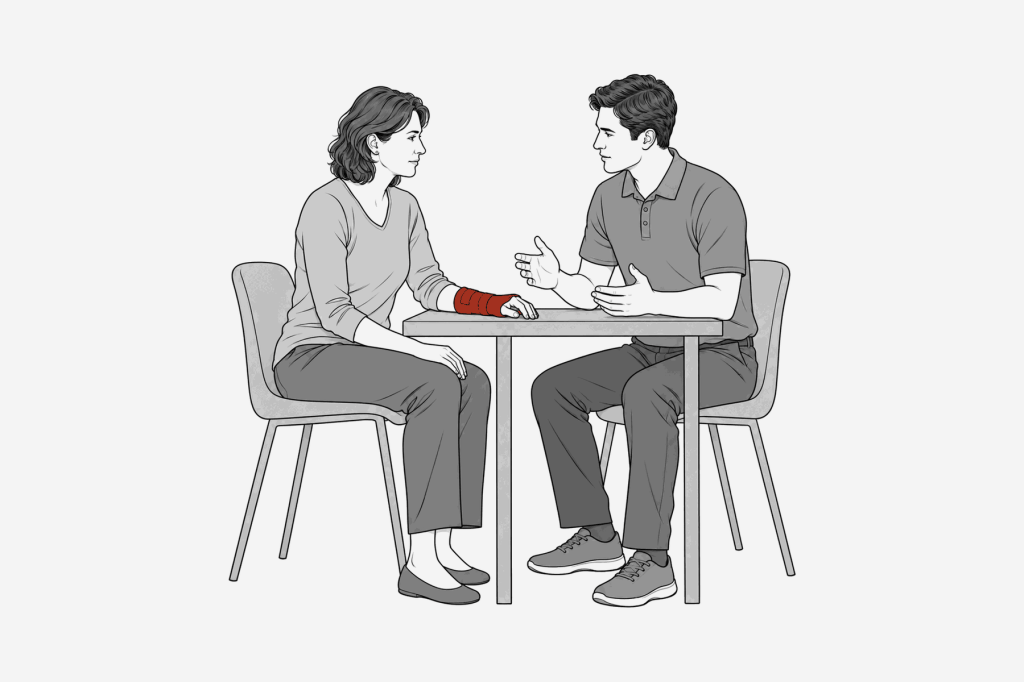
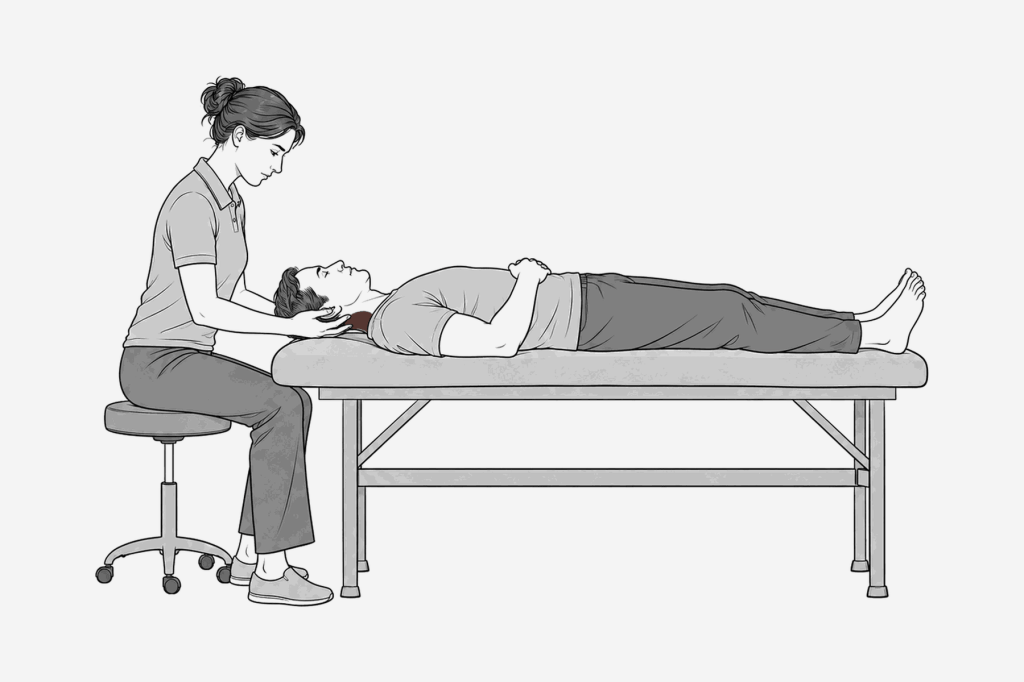
If you would rather not guess, a comprehensive evaluation gives me a full hour to test your sensation, grip and pinch strength, screen your neck as a source, and check whether your splint is actually holding your wrist where it needs to be. You leave with a written program and a six-week checkpoint. If you just want the exercises progressed properly, a home exercise program is the leaner option.
References
- Lusa V, Karjalainen TV, Pääkkönen M, Rajamäki TJ, Jaatinen K. Surgical versus non-surgical treatment for carpal tunnel syndrome. Cochrane Database of Systematic Reviews. 2024 Jan 8;1:CD001552. https://www.cochranelibrary.com/cdsr/doi/10.1002/14651858.CD001552.pub3/full
- Lewis KJ, Coppieters MW, Ross L, Hughes I, Vicenzino B, Schmid AB. Group education, night splinting and home exercises reduce conversion to surgery for carpal tunnel syndrome: a multicentre randomised trial. Journal of Physiotherapy. 2020;66(2):97-104. https://pubmed.ncbi.nlm.nih.gov/32291222/
- Zaheer SA, Ahmed Z. Neurodynamic techniques in the treatment of mild-to-moderate carpal tunnel syndrome: a systematic review and meta-analysis. Journal of Clinical Medicine. 2023;12(15):4888. https://pmc.ncbi.nlm.nih.gov/articles/PMC10419623/
- Shapiro LM, Kamal R, et al. American Academy of Orthopaedic Surgeons/ASSH clinical practice guideline summary: management of carpal tunnel syndrome. Journal of the American Academy of Orthopaedic Surgeons. 2025;33(7):e356-e366. https://pubmed.ncbi.nlm.nih.gov/39637428/



Leave a Reply